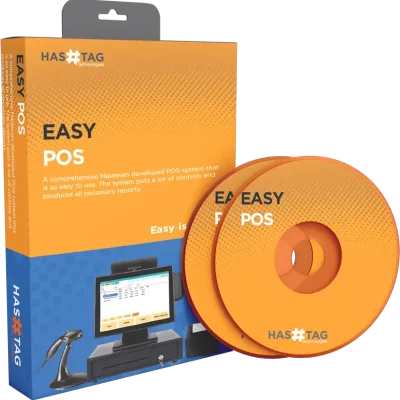
No other software understands the filling station business like EASY FILLING STATION™
Easy POS™ handles
1. Accounts
This refers to managing all financial records of the business — including income, expenses, assets, and liabilities. It involves bookkeeping, tracking financial transactions, and ensuring compliance with accounting standards.
2. Purchasing
The process of acquiring goods or services required by the business. This includes creating purchase orders, receiving and verifying goods, and managing supplier relationships and payments.
3. Tank Level Management
Loss & Gains
Monitoring fuel tank levels to detect discrepancies between recorded deliveries and actual stock levels. Losses may indicate theft or leakage, while gains may suggest delivery errors or measurement issues.
4. Detection of Duplicate Cards, Invoices & Cheques
A system or process that identifies and flags any repeated transactions or documents — such as the same card or invoice used more than once — to prevent fraud and accounting errors.
5. Reconciliation of
Sales with Cards, Invoices, Cash, Bank Transfers, Mobile Money, etc.
Matching and verifying that all recorded sales align with actual payments received through various channels (e.g., card, cash, bank, mobile money). This ensures no revenue is lost or unaccounted for.
6. Production of Shift Sheet Reports
Generating reports that summarize daily activities per shift — such as sales made, stock dispensed, and payments received — to track individual performance and fuel station operations.
7. Management of Pump Tests
Conducting and recording tests on fuel pumps to ensure they dispense accurate quantities. Helps in detecting mechanical faults or calibration errors that could result in under- or over-delivery.
8. Stock Management
Tracking inventory levels of products (like fuel, lubricants, etc.), recording stock in and out, and ensuring stock levels are optimized to avoid shortages or overstocking.
9. Management of Customer & Supplier Invoices
Creating, issuing, recording, and managing invoices for goods/services sold to customers or received from suppliers — ensuring timely billing and payment.
10. Produces Customer & Supplier Statements
Generating summaries of transactions for each customer or supplier, showing amounts billed, paid, or owed over a period. These statements help reconcile balances and resolve disputes.
11. Sales Reports
Detailed breakdowns of sales performance over a specific time period, showing volumes sold, revenue generated, customer trends, and more. Useful for decision-making and tracking growth.
12. Financial Reports
Comprehensive documents that show the financial health of the business — including profit & loss statements, balance sheets, and cash flow statements. These are used for internal planning, external audits, and investor relations.